
Cyberattack on Quebec Water Plant Highlights Growing OT Security Risks
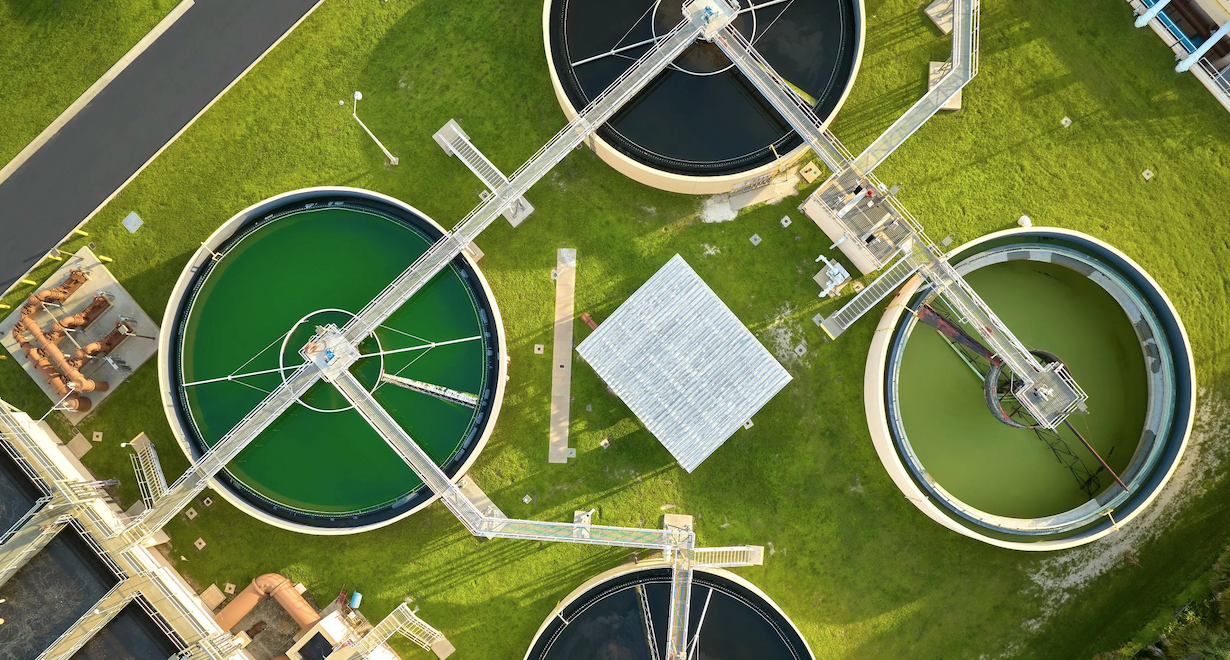
A reported cyber intrusion at a Quebec water treatment plant last October is an important reminder that cyberattacks not only impact data, but also the essential services communities rely on every day.
According to a recent National Post report, Canada's Communications Security Establishment (CSE) revealed that a Russian-linked cybercriminal group gained access to a municipality's water treatment systems, including the “ability to covertly control pumps, chlorine dosing, pressure settings and monitoring/alerts systems.” The report does not identify the impacted Quebec municipality.
While the intrusion was detected before any public harm occurred, the incident demonstrates how operational technology (OT) sophisticated threat actors increasingly target environments.
Water treatment facilities, power grids, healthcare providers, manufacturers and other critical infrastructure organizations depend on industrial control systems (ICS) that were often designed with reliability, not cybersecurity, as the primary consideration. As these environments become more connected, they also become more exposed to cyber threats.
Cybersecurity must extend beyond traditional IT environments, especially for organizations operating critical infrastructure. Protecting OT networks requires visibility into industrial assets, secure remote access, network segmentation, continuous monitoring, and incident response plans that account for operational technology.
As cyber threats continue to evolve, building resilience across both IT and OT environments is becoming an essential part of managing organizational risk. Read the original National Post article here.
Is your organisation prepared for the next cyber threat? Strengthen your cyber resilience today.